Home Reidsville, NC Dentures | How to Care for Your Full or Partial Dentures
Summary
If you are missing teeth, dentures are one of the most trusted and affordable ways to bring back your smile and chewing comfort.
In Reidsville, NC, many people choose dentures as their go-to tooth replacement option because they are reliable and can be tailored to fit their needs. According to the American College of Prosthodontists, over 36 million Americans have no teeth at all, making dentures an essential solution for many.
Taking proper care of your dentures is key for their durability, comfort, and your overall oral health. In this article, we will cover:
Full dentures are designed to replace the teeth present in your jaw. They’re a great option if you’ve lost most or all of your natural teeth due to decay, gum disease, or injury.
These custom-made appliances not only restore your smile but also help you chew and speak more comfortably. Many people in need of NC dentures choose full dentures for their complete coverage and natural look.
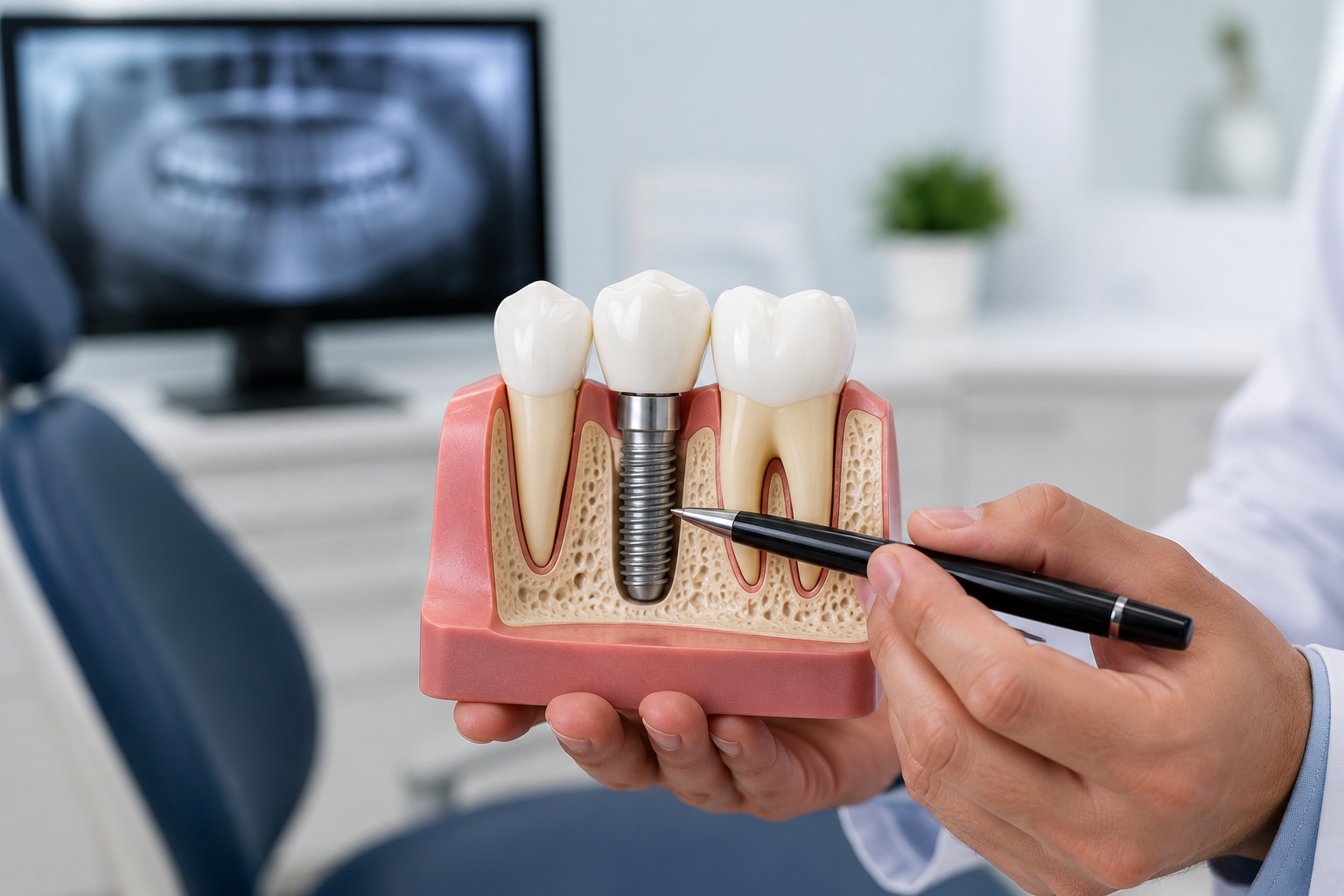
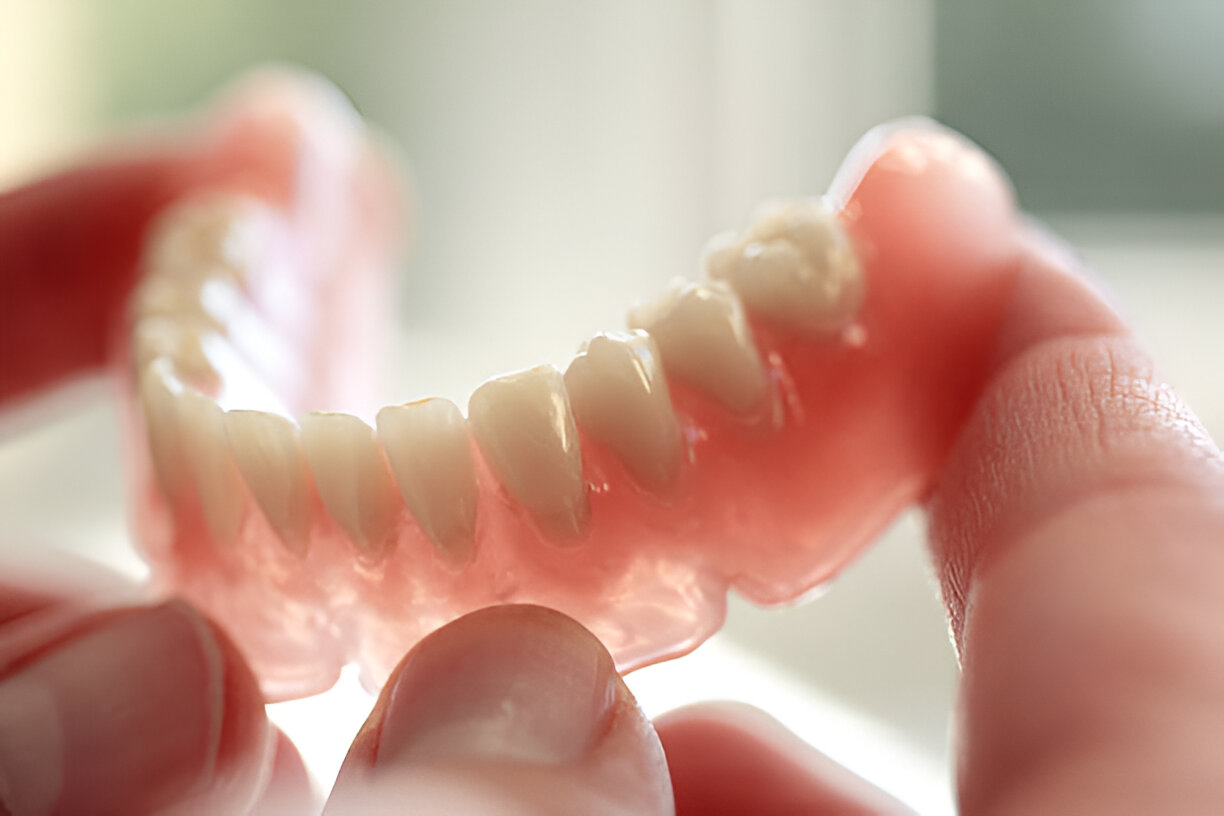
Partial dentures work alongside your remaining natural teeth. They fill in the gaps where teeth are missing, preventing other teeth from shifting out of place. They’re often used when some healthy teeth remain, providing both function and a natural appearance.
Dentures can be made from acrylic, metal frameworks, or a combination of both. Proper daily cleaning and regular dental checkups are important to keep them fresh, prevent stains, and extend their lifespan. Taking care of your dentures means taking care of your smile.
Keeping your dentures clean is the best way to protect your smile and oral health. A few simple habits can make all the difference.
After eating, remove your dentures and give them a quick rinse under running water. This helps wash away food particles and prevent stains or bad odors from building up.
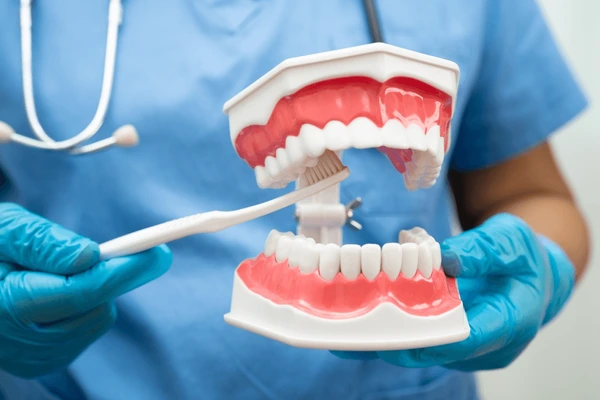
Like your natural teeth, dentures require everyday cleaning. Use a denture cleaner and soft-bristled brush. Avoid regular toothpaste, as it can scratch the surface and make dentures more prone to staining.
Before putting your dentures back in, take a moment to clean your gums, tongue, and the roof of your mouth with a soft toothbrush or damp gauze. This keeps your mouth fresh and reduces the risk of irritation.
Taking proper care of your dentures at night is just as important as wearing them during the day. Here’s why your dentist in Reidsville, NC, will always recommend a good nighttime routine:
Taking care of your dentures isn’t just about cleaning them; it’s also about how you handle them every day. Here’s how you can keep them safe and damage-free:
Always use gentle pressure when putting dentures in or taking them out. Avoid forcing them into place, as this can bend or break the material.
Hot water can warp dentures, and strong cleaning chemicals can damage their surface. Stick to lukewarm water and denture-safe cleaners.
Dentures can break easily if they fall. Handle them over a folded towel or a sink filled with water; this way, they have a soft landing if they slip.
Adjusting to dentures takes a little patience, but with the right approach, it becomes easier.
In the beginning, stick to soft foods like mashed potatoes, yogurt, or soups. Cut your food into small pieces so it’s easier to chew and doesn’t put too much pressure on your dentures. Avoid sticky or hard foods, like caramel or nuts, that can damage or dislodge them. Chew slowly and use both sides of your mouth to keep the dentures stable.
It’s normal for speech to feel a bit different at first. To become more comfortable, try practicing your speaking in front of a mirror or reading aloud daily. This helps your tongue and mouth adjust to the new shape. The more you practice, the more natural it will feel.
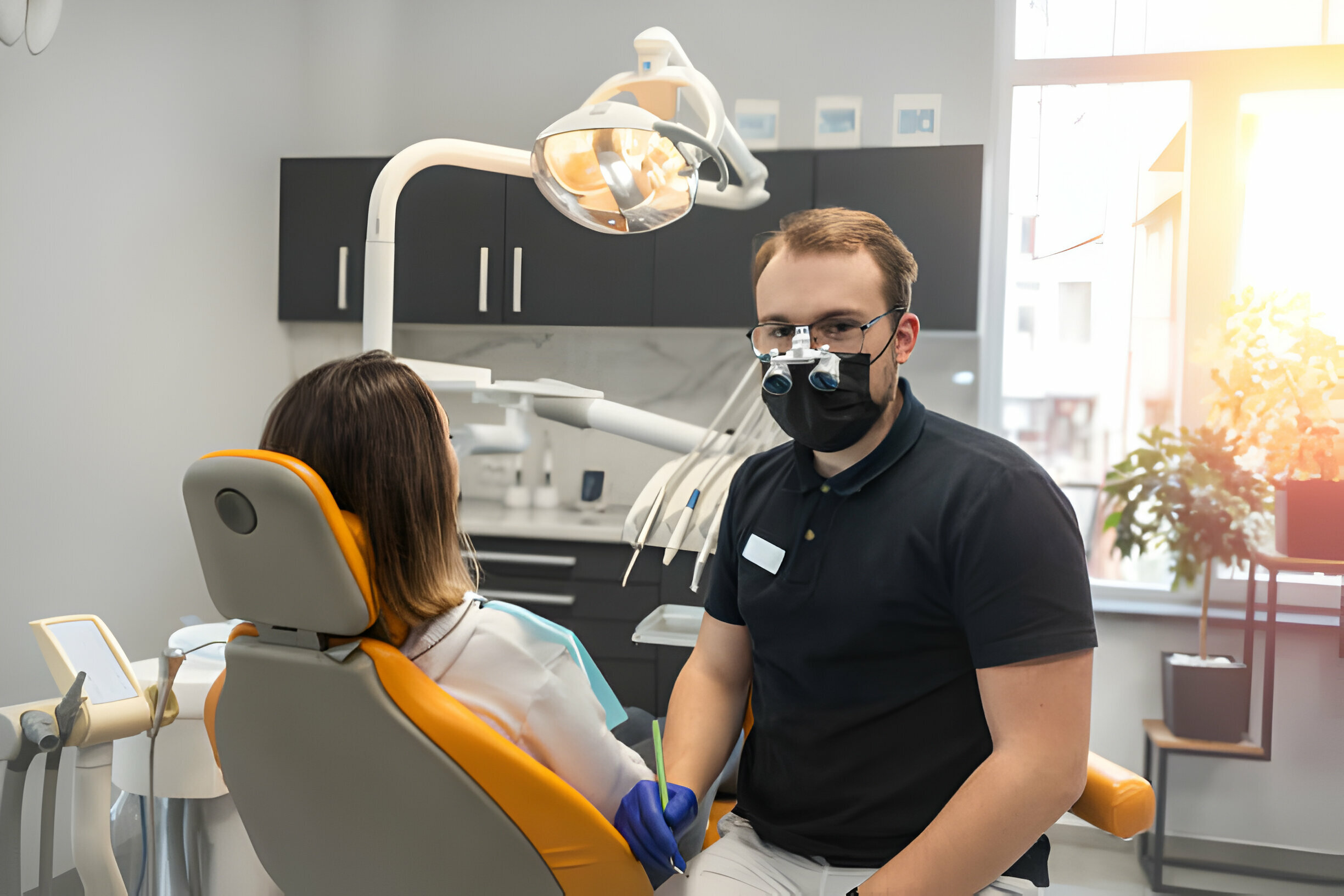
Visiting your Reidsville, NC dentist regularly is one of the best ways to keep your dentures in top shape and your smile feeling great. These visits are not just about cleaning; they allow your dentist to:
It’s normal to feel a little discomfort when you start wearing your aligners, but sharp or persistent pain isn’t. If your gums feel irritated or develop sores that don’t heal in a few days, it’s best to see your dentist. They can check for rough edges or adjust your aligners for a better fit.
If your aligners feel loose or keep slipping, it could mean your teeth aren’t tracking as planned. Don’t ignore it, contact your dentist right away so they can make adjustments and keep your treatment on track.
To avoid yellowing or odors, rinse your aligners every time you remove them and brush them gently at least once a day. Avoid eating or drinking anything except water while wearing them to keep them fresh and clear.