Did you know? Over 35+ million Americans don’t have any teeth, and 90% of them have complete dentures.
Dentures are oral appliances that replace the missing teeth in the upper jaw, lower jaw, or both. They are usually crafted from resin, acrylic, nylon, metal, and porcelain.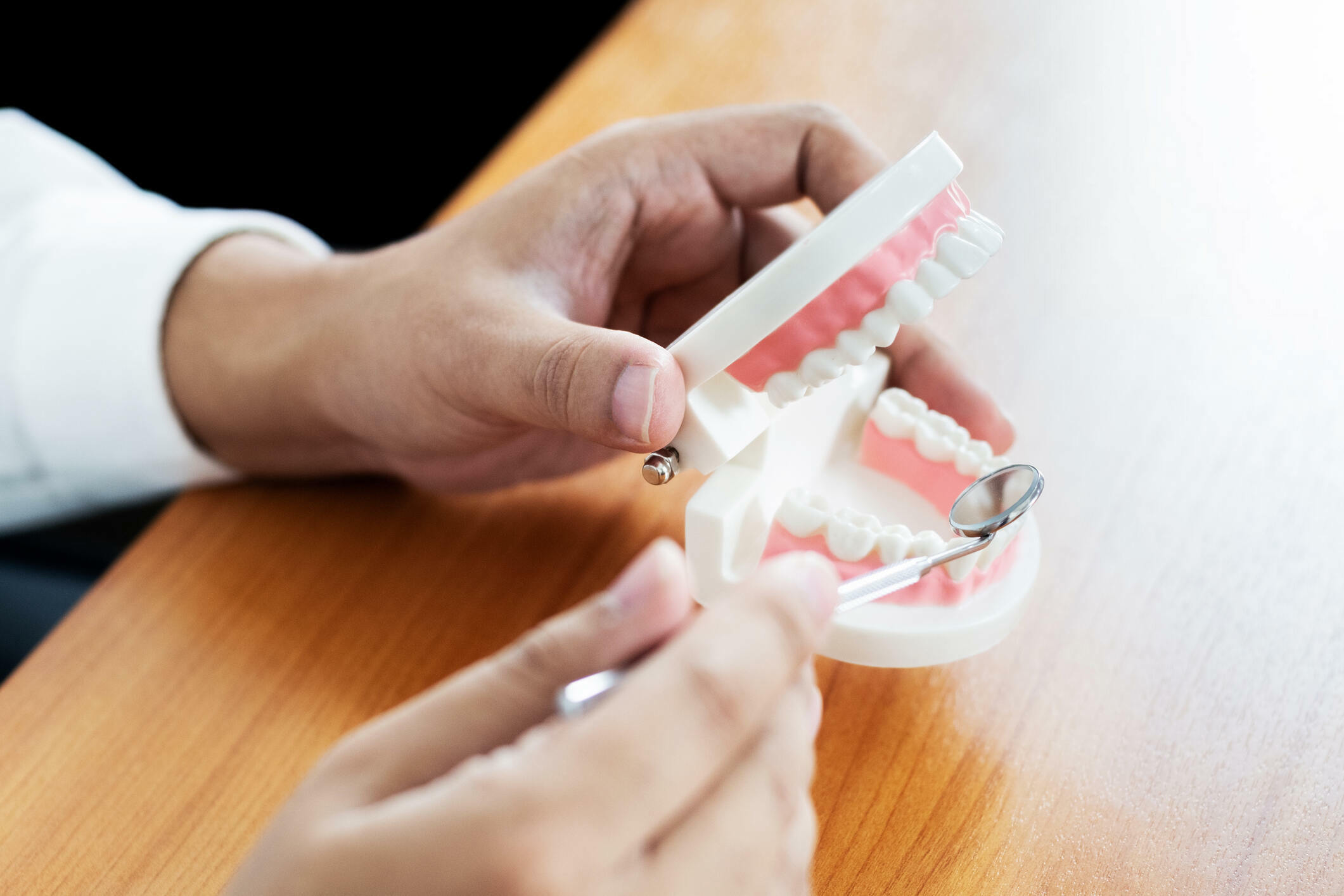 But how do you get them? Or do you need them?
Let’s understand more as we look into different aspects of the appliance like:
Continue reading as we learn more about the appliance in the following sections.
Getting dentures in North Carolina can be intimidating as it is a significant life change. If you are missing teeth, there are various reasons why you may need to wear dentures, so you must approach the process with knowledge and understanding.
Whether you need full or partial dentures, in this ultimate guide, we aim to provide comprehensive information to help you navigate the journey to a confident and comfortable smile.
If you have loose teeth, then you can experience bone loss due to infection, which can, in turn, cause pain when you eat on them. For this reason, it might be essential to remove the loose fangs. Once removed, they can be replaced using dentures.
If you are experiencing tender, red, or swollen gums or bleeding due to some irritation or infection, it might be a periodontal disease. Severe periodontal disease can require tooth removal. Once the infected tooth is removed, the gums can heal and become pain-free. The gaps can then be filled with oral appliances.
If there are gaps in your cavity, especially at the front, it will affect your smile. Dentures can be used to replace the missing teeth.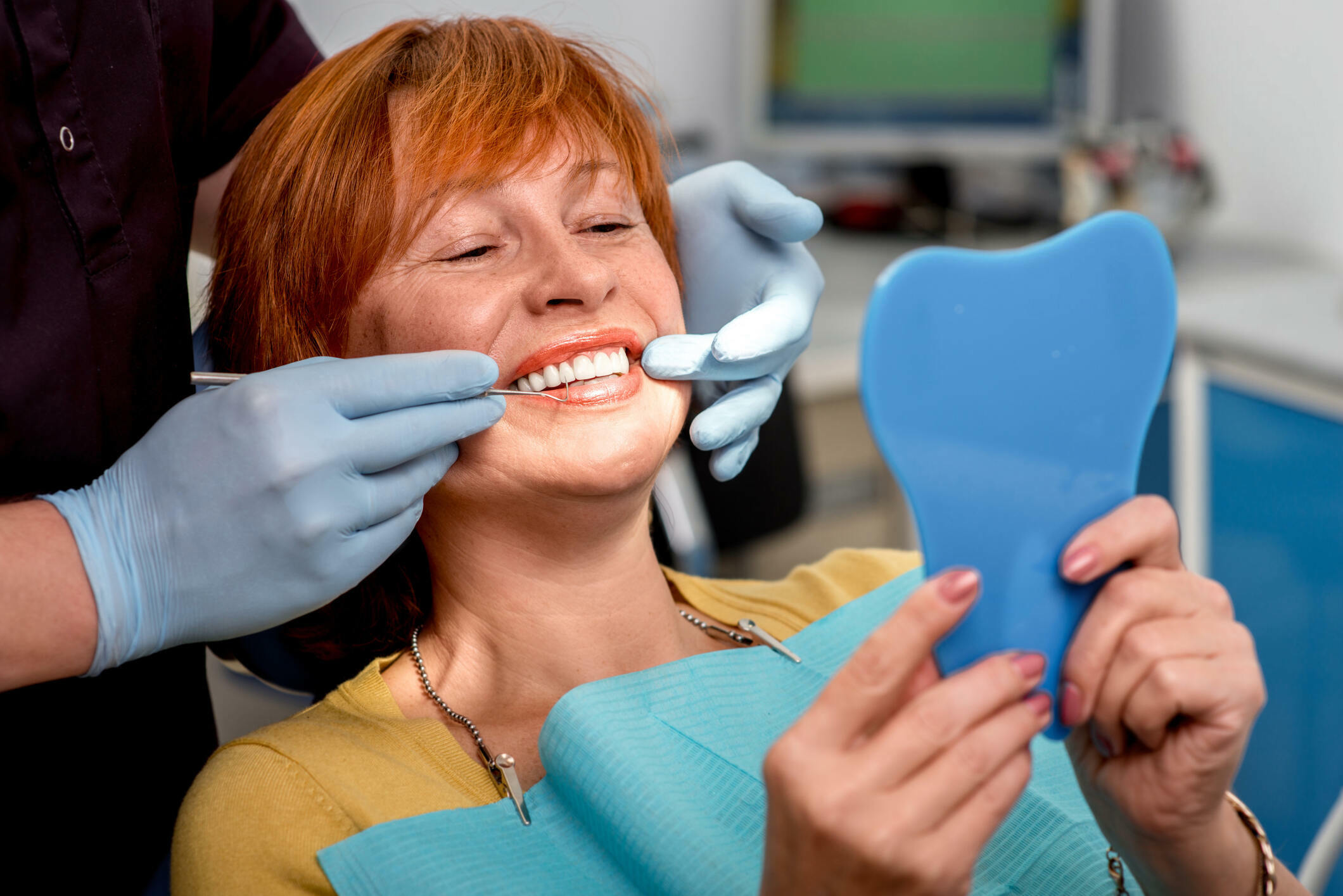
Infected teeth can lead to painful toothache, which is one of the common reasons for tooth removal. Before removing your tooth, your dentist will discuss whether it’s the best choice and explain other ways to replace an extracted tooth. Even though these implants aren’t a long-term solution, they can temporarily replace a tooth until other treatments can be done.
Dentures often help with chewing and biting problems. They are the right choice if you struggle to eat certain food types. These appliances replace the missing teeth and increase your biting area.
Indigestion may be due to the inability to chew the food properly, which might happen if you have lost multiple teeth. These oral appliances fill in these empty spaces, thereby completing the cavity that aids in proper chewing.
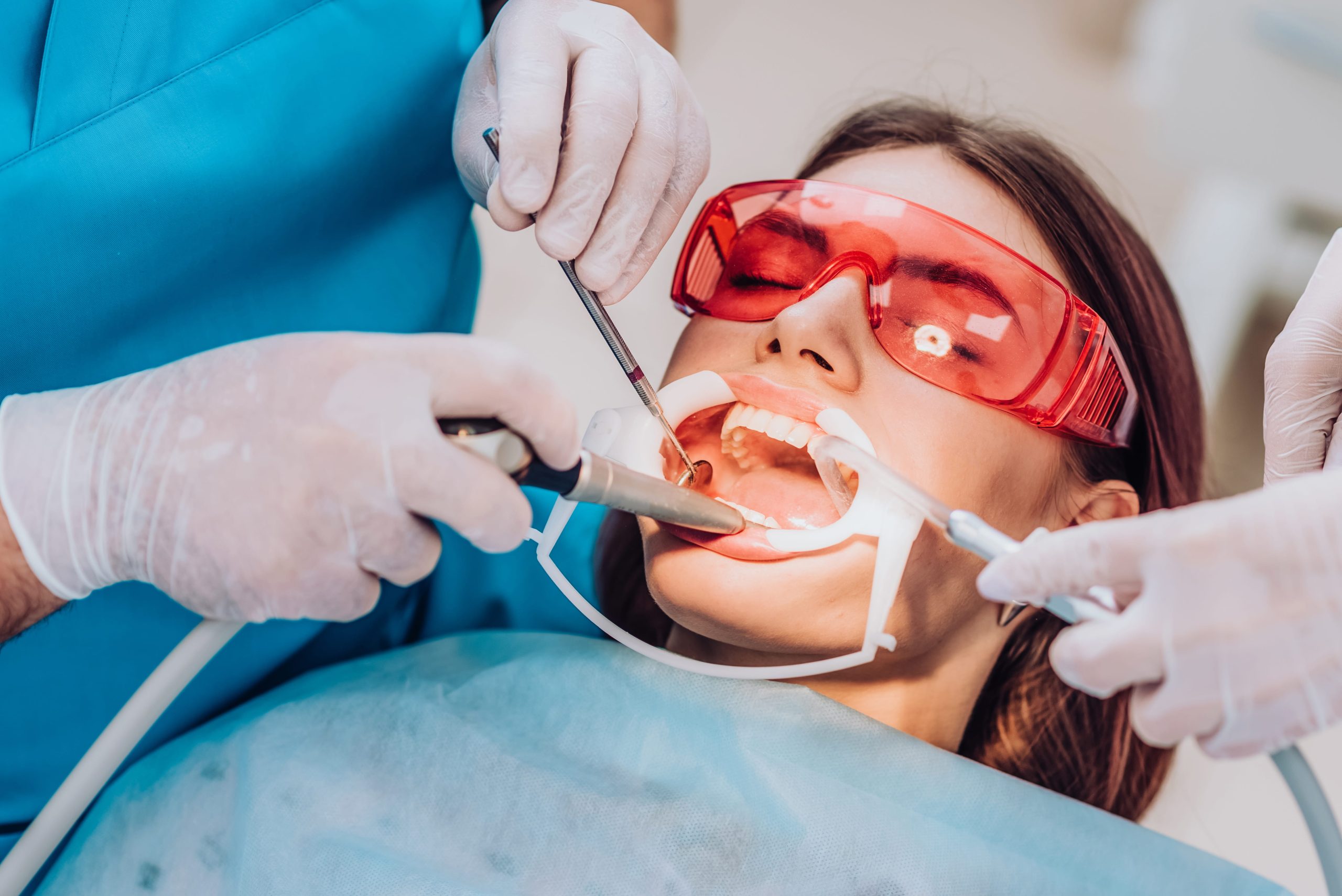
Your dentist will assess the need for false teeth by examining your gums and oral health. He will also evaluate other factors like the number of missing teeth, the condition of your oral cavity, and the ability to chew correctly.
Dentists look out for gum disease, tooth decay, or existing dental work during the assessment. They discuss your oral health history and inquire about any difficulties that you may be experiencing with your cavity.
Based on the evaluation, the dentist will determine if regular dentures are a suitable option for you.
There are several denture types available depending on your specific needs and preferences. The common types include-
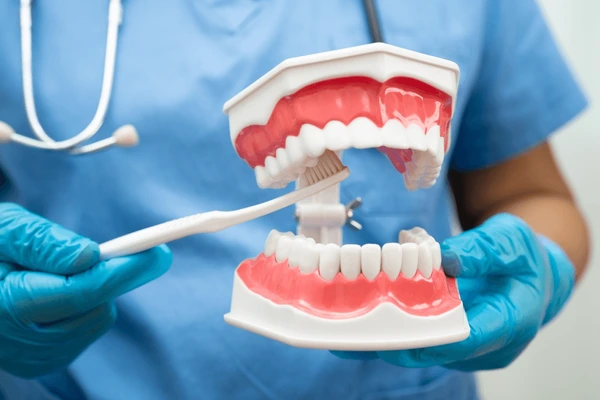
Complete dentures replace an entire arch of teeth in the upper or lower jaw. They contain a complete set of artificial implants attached to an acrylic base that matches the color of your gums.
These appliances are used in cases where only some teeth are missing. They consist of artificial implants attached to an acrylic or metal framework, which will fit around your natural teeth and help fill in the gaps.
 c. Hybrid –
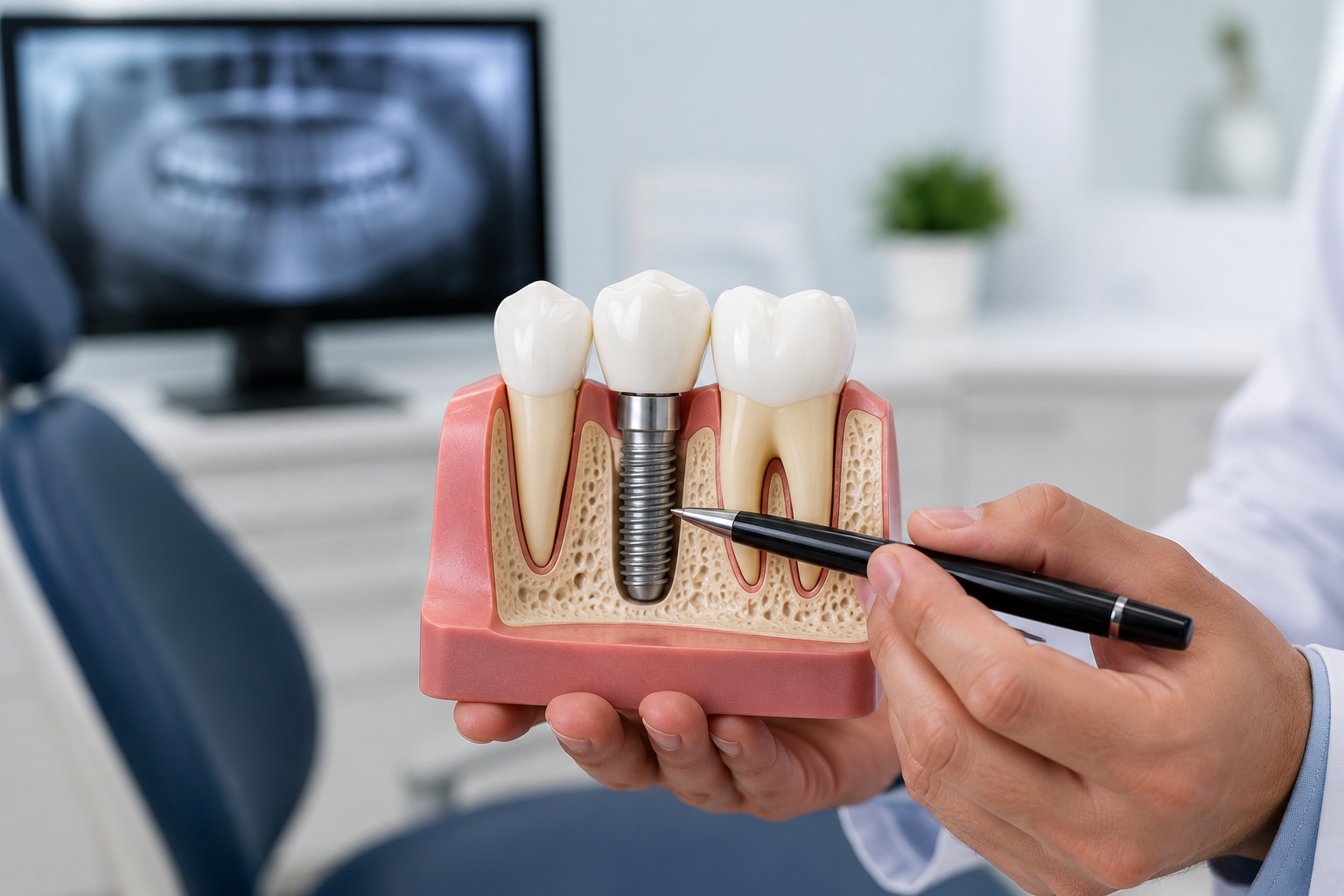
These appliances are anchored to dental implants for added stability and support. They can be used for both partial and complete dentures. If you wish for a more secure fit, this is for you.
These appliances are designed to fit over the existing cavity or dental implants to provide additional support and stability. Overdentures can help preserve the remaining natural teeth and jawbone structure.
The denture fitting process involves several steps to ensure that the denture’s teeth are custom-made to fit in your mouth perfectly.
Here is an overview of the steps:
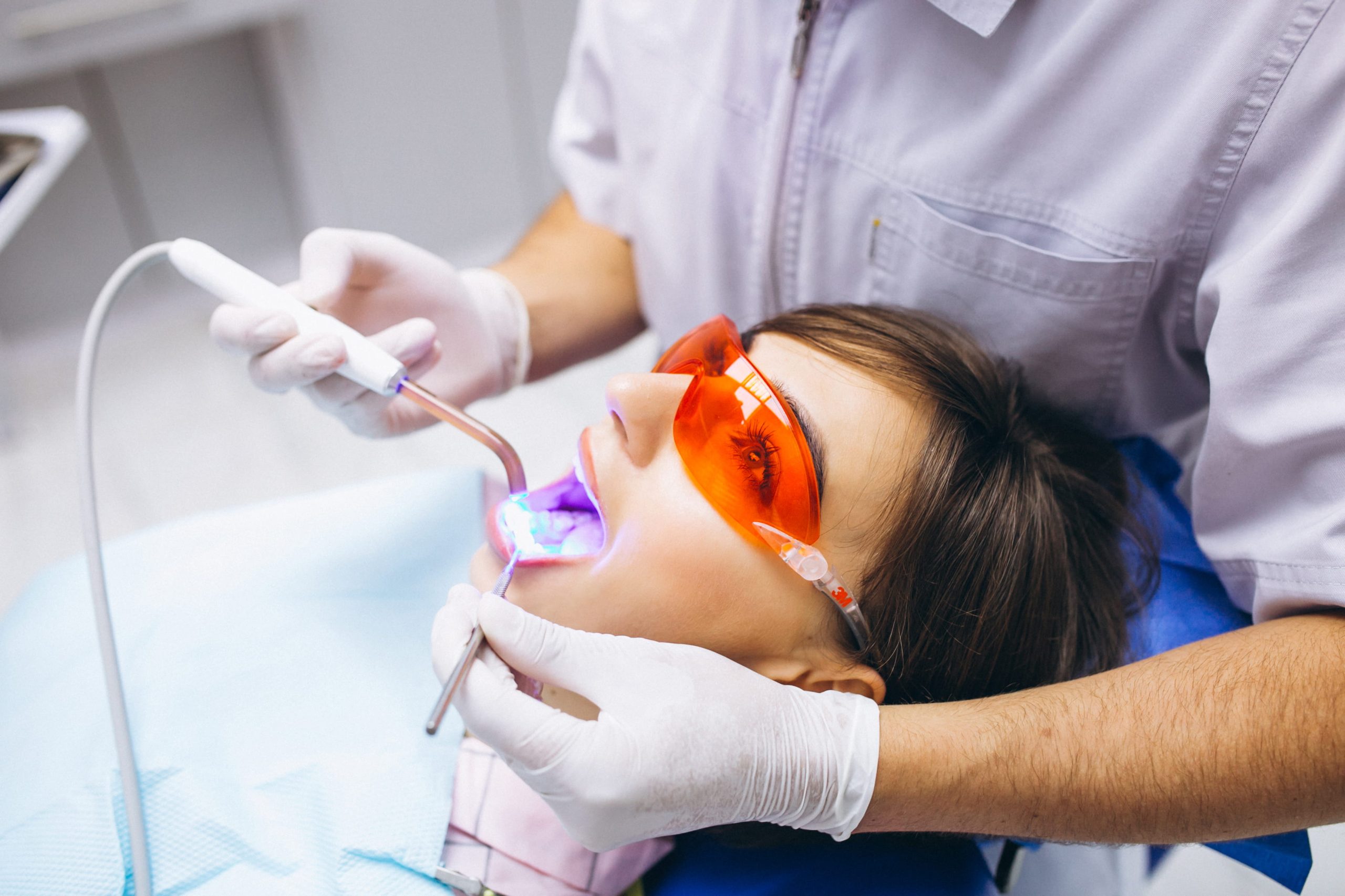
Your dentist will study your oral health and perform X-ray tests to understand your mouth. They also determine after assessment if oral appliances are the right match for your problem.
Once done, the dentist will take an impression of your cavity using a soft material. This captures the unique shape of your gums and remaining teeth.
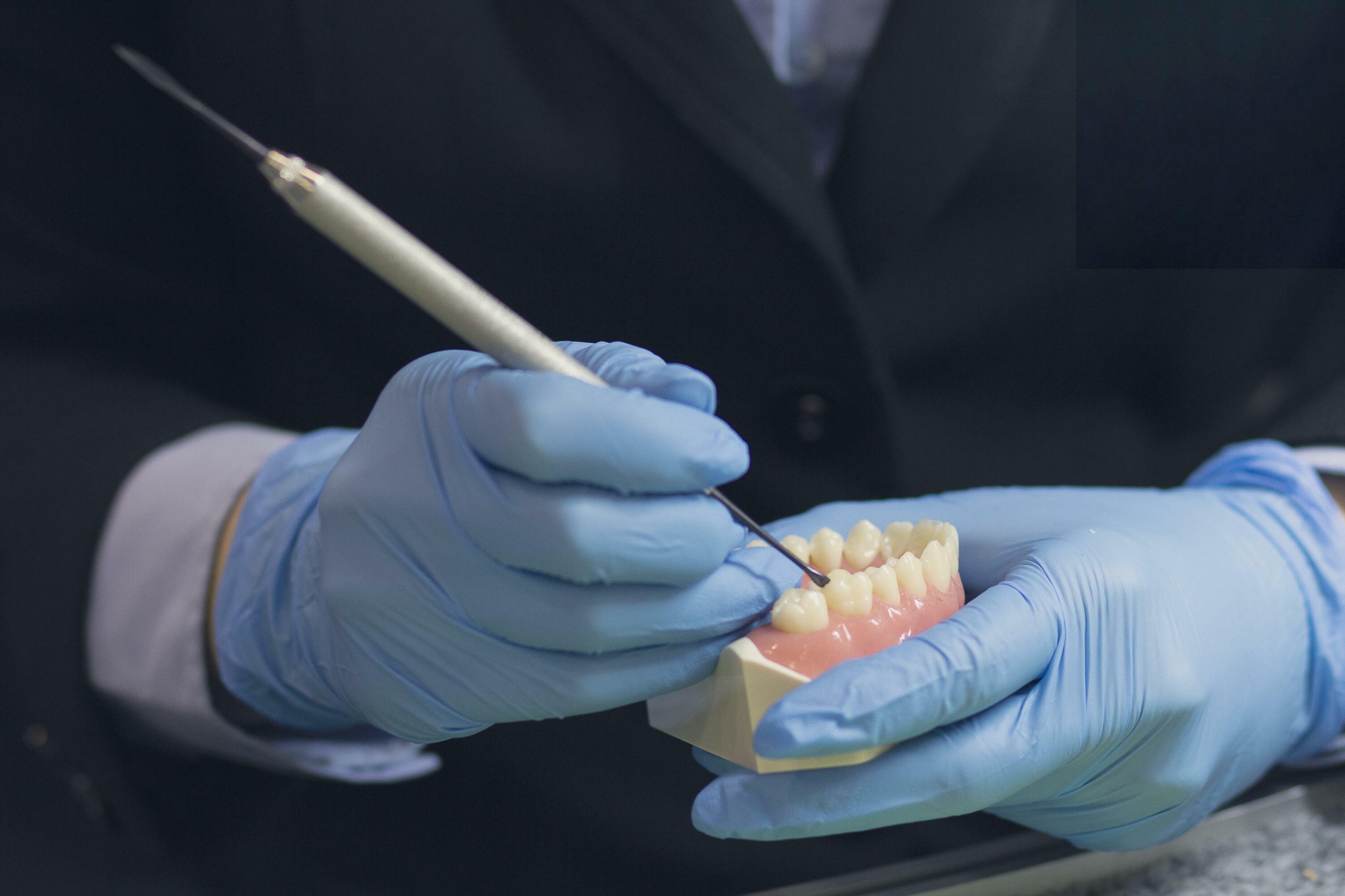
A denture model is made out of the impression, which serves as a precise replica of your mouth, and it allows the dentist to design appliances that will fit you perfectly.
You and your dentist will discuss the type of appliances and materials used, considering your preferences and needs.
Once done, a temporary set of false teeth called “try-in” is created from the model. This will allow you to test the fit, appearance, and comfort.
The final dentures are made once the adjustments are made in the try-in. They will be placed in your mouth, and your dentist will ensure they fit securely and comfortably.