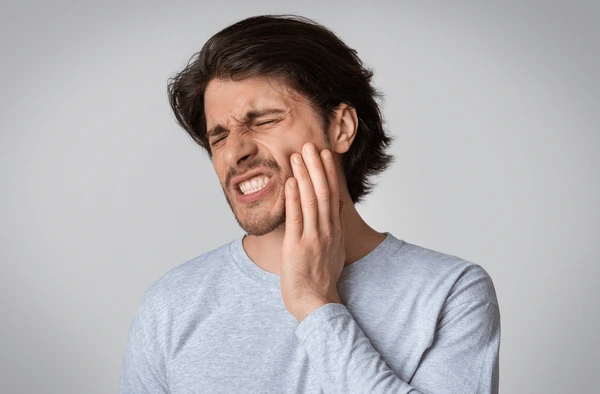

Do you often suffer from severe pain in your cavity?
If yes, you might have a serious condition – visit a dentist today for a timely diagnosis!
When toothache is recurring, sharp, constant, or dull, it can become a major annoyance. Sadly, you might have to bear the discomfort if you cannot schedule an appointment with your dentist immediately.
Interestingly, this is where handy pain relief procedures come into the picture. When done accurately, these remedies can help subside the pain until you visit your dentist.

Let’s learn more about these procedures and remedies in the following sections via topics like:
Continue reading as we learn more about managing toothache in the following sections.
Various severe conditions, including a fractured tooth, dental decay, infected gums, a broken filling, or an abscessed tooth, can cause oral discomfort.
Interestingly, however, most individuals doubt the severity of such conditions and ask themselves, “Are toothaches normal?”
The answer is yes. When left untreated, it can result in serious consequences, such as tooth and bone loss.
Typically, a tooth’s enamel surface weakens, enabling pathogenic organisms to enter. As white blood cells try to battle the infection, they break down and die, accumulating pus, yet the body continues to send blood.
As the pressure within the blood artery rises, the vessel must expand to accommodate this pressure, putting enormous strain on the nerve inside your tooth.
Here are a few instances of what happens during such moments:
Bacterial infections can sometimes spread to other areas, requiring hospitalization or worse. If you experience the following symptoms of an abscessed tooth, it is critical to seek emergency care.
No matter the source of your tooth discomfort, you should visit your dentist for an assessment as soon as possible!
However, if you feel a cavity or a slight fracture causes your dental discomfort, you can try the following measures to alleviate the pain until you can visit a specialist.
However, suppose you need a temporary toothache remedy (assuming your underlying condition doesn’t cause you severe pain or you’re waiting for a dentist appointment). In that case, you can follow a few home remedies.
Home remedies help you cure your toothache using over-the-counter drugs, cold compresses, and other at-home remedies.
Continue reading for more home cures for tooth pain in the following section.
In general, there are two techniques to relieve toothache discomfort.
The first involves lowering inflammation, while the second focuses on blocking the signals about brain damage. The aim of this technique is to place a cold pack on your face for 20 minutes and subside pain.
However, while at it, use a cloth as a buffer to avoid accidentally damaging your skin. It can assist in relieving discomfort by lowering pain and swelling.
But if the condition worsens, consider contacting your nearest expert for toothaches in Reidsville, NC.
Anti-inflammatory medications such as ibuprofen can also help to decrease swelling and block pain signals. If you use ibuprofen, take it every few hours as directed on the product label.
Avoid taking the drug once and then quitting when you experience relief, as the pain and inflammation will most likely return. If you don’t have ibuprofen, you can take acetaminophen, which will relieve pain but is not an anti-inflammatory.
In addition to cold packs and over-the-counter medication, there are other natural alternatives to relieve toothache. Rinsing your mouth with warm salt water might help remove infections and relieve pain.
Salt water treatment for a toothache can also aid in healing dental lesions and inflammation. Just ensure you don’t drink any salt water when rinsing.
Applying a hot pack to the side of your jaw might help relieve soreness. If you don’t already have a heat pack, make one by filling a clean sock with rice and tying one end.
Following this, microwave the rice-filled sock for a few minutes. The heat from the pack will help block pain signals from your mouth to your brain.
Research suggests that acupressure may alleviate toothache pain by stimulating the release of endorphins.
Specific areas of the body are thought to be connected with mouth pain. Before attempting acupressure, explore credible internet resources for further information.
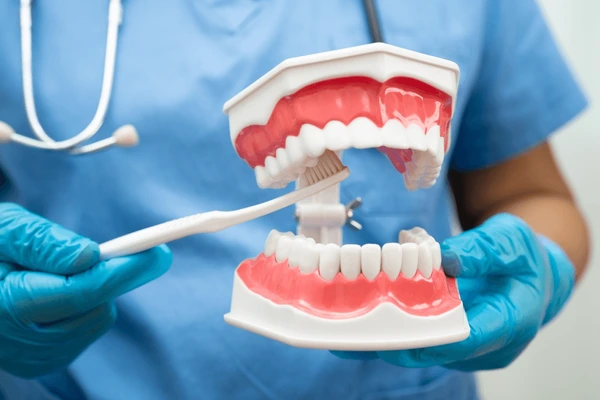
Good dental hygiene can help avoid toothaches. Floss at least once a day, and clean your teeth for at least 2 minutes twice a day. You may also use mouthwash.
Also, see your dentist twice a year for regular examinations and cleanings.
Some meals can induce plaque accumulation, including:
Floss and brush thoroughly after eating these items to help reduce plaque accumulation, or try restricting your intake.