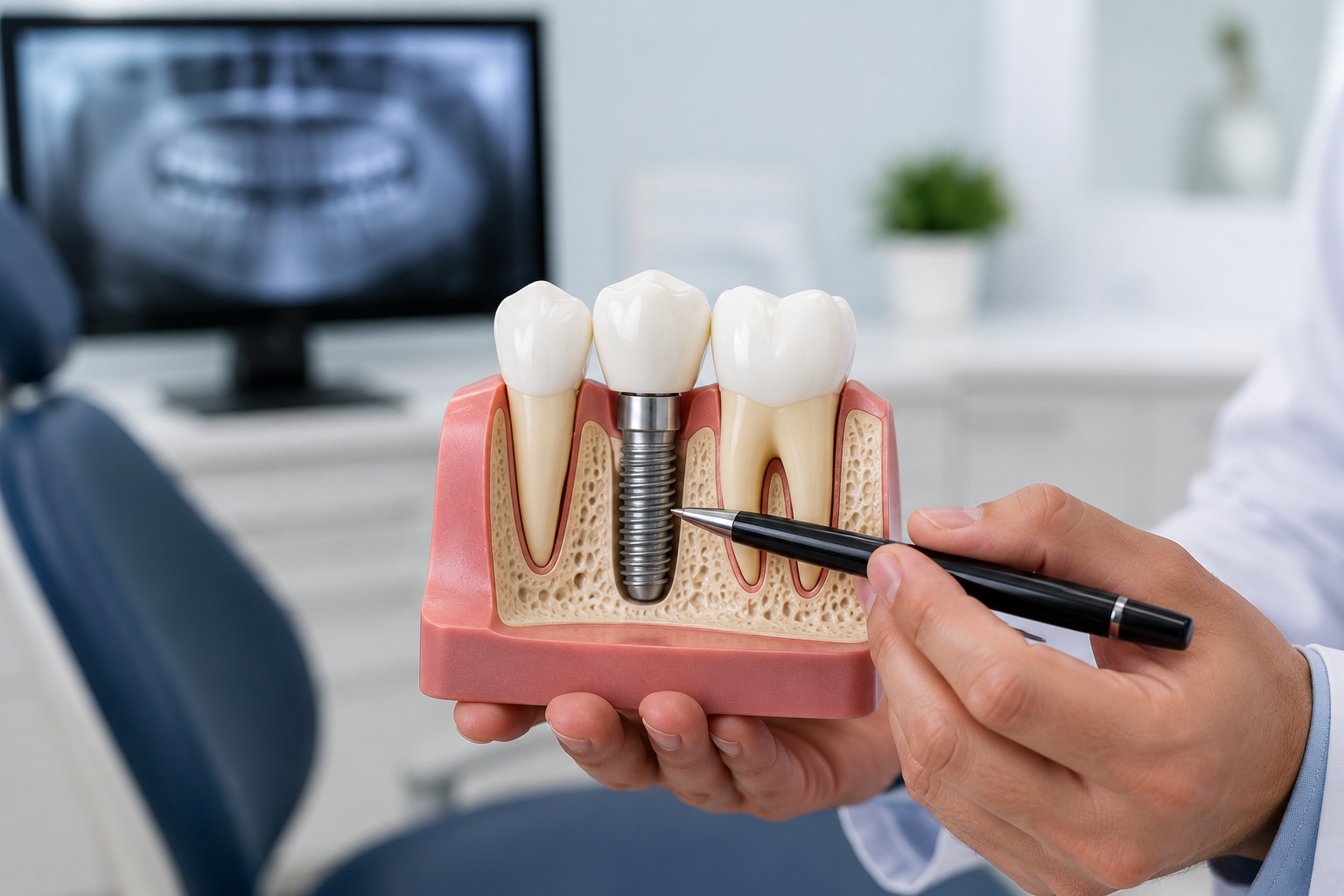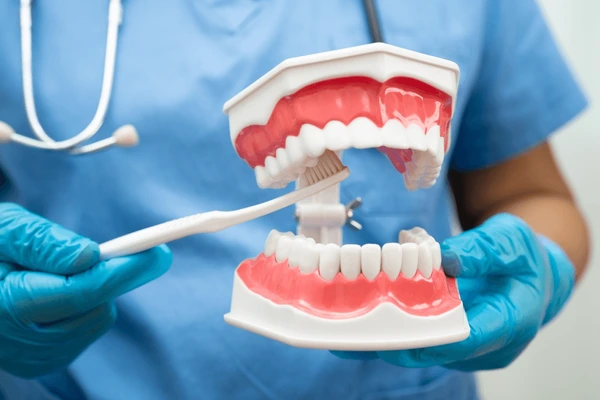
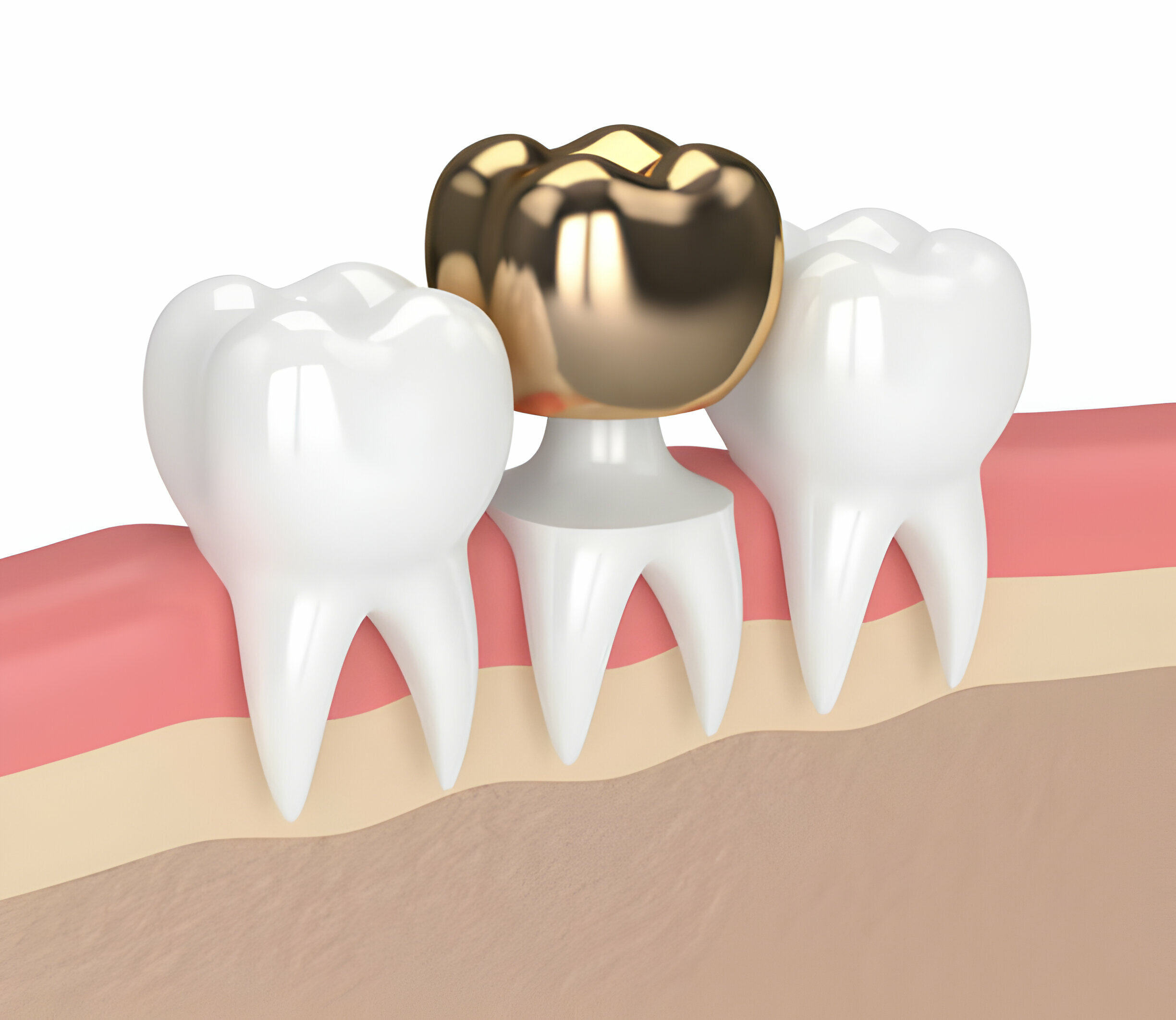
Damaged teeth can significantly impact your smile! It can not only deplete oral health but also impact your confidence.
Interestingly, damaging your teeth is more common than you might guess. Over 178+ million Americans have at least one or more missing teeth, lost to poor oral health, accidents, or medications.

Dental composite fillings are a great way to treat cavities and restore damaged teeth to transform your smile. Unlike traditional amalgam fillers, which are noticeable (owing to their silver hue), composite fillings are tooth-colored and fit flawlessly with natural teeth.
Considering the frequent queries about the treatment, we’ve curated a blog listing the different aspects of oral fillings:
So continue reading as we learn more about the procedure in the following sections.
A dental filling restores a decaying tooth’s natural function and form. A composite tooth filling material stops further deterioration of your oral health by obstructing locations where germs can enter.
They generally come in various materials, using gold, porcelain, composite resin (tooth-colored fillings), and amalgam (mercury, silver, copper, tin, and sometimes zinc alloy).
Your dentist will complete the treatment by removing the decaying tooth material, cleaning the affected area, and then jamming the cleaned-out cavity with a filling material. The process is generally followed by placing the best type of dental crown in your cavity (if required).

One of the main benefits of composite fillings is their natural look. The ability to match the color of the filler to the surrounding teeth renders them nearly unnoticeable, resulting in a uniform grin.
Composite fills adhere directly to the tooth structure, allowing for more conservative treatment than typical amalgam fillings. This implies that the tooth structure of a tooth that is less good must be destroyed during filling.
These resin-filling materials resemble your natural teeth. The color of the filling may be precisely matched to that of existing teeth; it clings to the existing tooth, providing extra stability; it is frequently used for repairs other than cavity fillers; and it needs less tooth removal than amalgam.
Modern composite materials are strong and long-lasting, offering dependable protection for the rebuilt teeth. Porcelain or ceramic fillings can endure over 15 years and are more stain-resistant than composite resin materials. With adequate care and maintenance, composite fillings can endure typical biting and chewing pressures for a long time.
Composite fillings dentists in Reidsville, NC provide a tight seal with the tooth, lowering the risk of post-operative sensitivity typical with conventional filling materials.
Glass ionomers or plastic fillings are weaker than composite resin, more prone to wear and fracture, have a lifespan of five years or less, and cost around the same as composite fillers.
Silver fillings may necessitate the removal of more teeth to accommodate the filling. Furthermore, it gives the surrounding tooth structure a greyish appearance, increases the risk of dental cracks and fractures due to increased expansion and contraction, and may trigger allergic responses in certain people.
The procedure for having composite fills can be broadly categorized into four stages. In this section, let’s learn more about these stages:

The dentist will numb the afflicted tooth and extract any decaying or damaged tooth structure. The tooth is subsequently cleansed and prepped to receive the filling material.
The composite resin is placed in layers and shaped to create the required form and features. A specific laser is used to cure each layer of your enamel, hardening the dental filling resin.
Finishing: Once the filling is in place, the dentist will polish it to ensure it blends with the surrounding teeth and has a smooth surface.
The bite can be tested and modified to guarantee correct alignment and functionality.
It is critical to shield your new fill from moisture during the operation. Your dentist may employ isolation procedures like rubber dams or cotton rollers to keep the region dry. This contributes to the success of your filling.
Every composite filler is unique! Therefore, checking with your composite fillings dentist for tailored information is critical. Composite fills are a new remedy for tooth decay. They take more time in the dental chair than amalgam fills, but the cosmetic and practical advantages are clear.
Composite fills allow you to smile confidently, knowing your teeth are healthy and natural-looking. Remember, a good smile begins with healthy teeth. Don’t allow tooth decay to take away your sparkle. Accept the composite filling benefit and keep your smile shining.