Category : Toothache

How to Relieve a Toothache: Expert Tips from a Dentist in Reidsville, NC at Caring Modern Dentistry

Summary

Toothaches can be painful, but relief is possible with quick home remedies and professional care. At Caring Modern Dentistry in Reidsville, NC, we focus on identifying the root cause of your toothache to provide effective treatment. Our team is dedicated to relieving pain and preventing future dental issues. Whether it’s a temporary discomfort or a more serious underlying condition, we ensure personalized care to address your needs and help maintain your long-term dental health. Reach out today for expert relief and prevention.

How to Relieve a Toothache: Expert Tips from a Dentist in Reidsville, NC at Caring Modern Dentistry_1

Tooth pain can disrupt your day and leave you searching for relief. Addressing the underlying issue is crucial, whether it’s a sharp, stabbing pain or a dull, throbbing ache. At Caring Modern Dentistry, a trusted dentist in Reidsville, NC, we provide professional guidance on managing toothaches and preventing further complications.

In this guide, we’ll share expert tips for effectively alleviating toothaches while emphasizing the importance of professional dental care.

Understanding Toothaches: What Causes the Pain?

Toothaches arise from various factors, each requiring specific attention. Understanding the cause is the first step toward relief. Common causes include:

  • Cavities: Decay exposes sensitive nerves, resulting in persistent pain.
  • Gum Infections: Inflamed gums can lead to discomfort in surrounding teeth.
  • Cracked or Damaged Teeth: Chips or fractures often expose the inner pulp, causing sensitivity and pain.
  • Tooth Abscess: An infection at the tooth root can cause severe pain and swelling.
  • Sinus Pressure: In some cases, sinus infections can mimic toothaches, especially in upper teeth.

Fun Fact: The ancient Egyptians used a mixture of honey and crushed herbs to remedy toothaches!

Quick At-Home Remedies for Toothache Relief

While professional dental care is always recommended, these at-home remedies can provide temporary relief:

1. Rinse with Warm Salt Water

Saltwater acts as a natural disinfectant, reducing inflammation and soothing gum tissue. Mix one teaspoon of salt with a glass of warm water and rinse thoroughly.

2. Apply a Cold Compress

A cold compress can numb the pain and reduce swelling. Apply it to the affected area for 15-20 minutes.

3. Over-the-Counter Pain Relievers

Non-prescription painkillers like ibuprofen or acetaminophen can help manage mild to moderate pain.

4. Use Clove Oil

Clove oil contains eugenol, a natural anesthetic. Apply a small amount of cotton ball to the affected area for temporary relief.

5. Avoid Hard or Sugary Foods

Chewing hard foods or consuming sugary snacks can worsen pain and irritate sensitive teeth.

When to See a Dentist

While home remedies can provide temporary relief, they’re not a substitute for professional care. Seek help from a dentist in Reidsville, NC if:

  • The pain persists for more than two days
  • You experience severe swelling or fever
  • Chewing becomes difficult or painful
  • There is noticeable pus or discharge around the tooth

Ignoring these signs could lead to complications, including the spread of infection to other parts of your body.

How to Relieve a Toothache: Expert Tips from a Dentist in Reidsville, NC at Caring Modern Dentistry_2

What to Expect During Your Visit to Caring Modern Dentistry

When you choose Caring Modern Dentistry to address a toothache in Reidsville, NC, you can anticipate exceptional care tailored to your needs. Our dedicated team prioritizes your comfort and ensures you leave with a clear understanding of your dental health and next steps. Here’s what to expect during your visit:

  1. Comprehensive Diagnosis

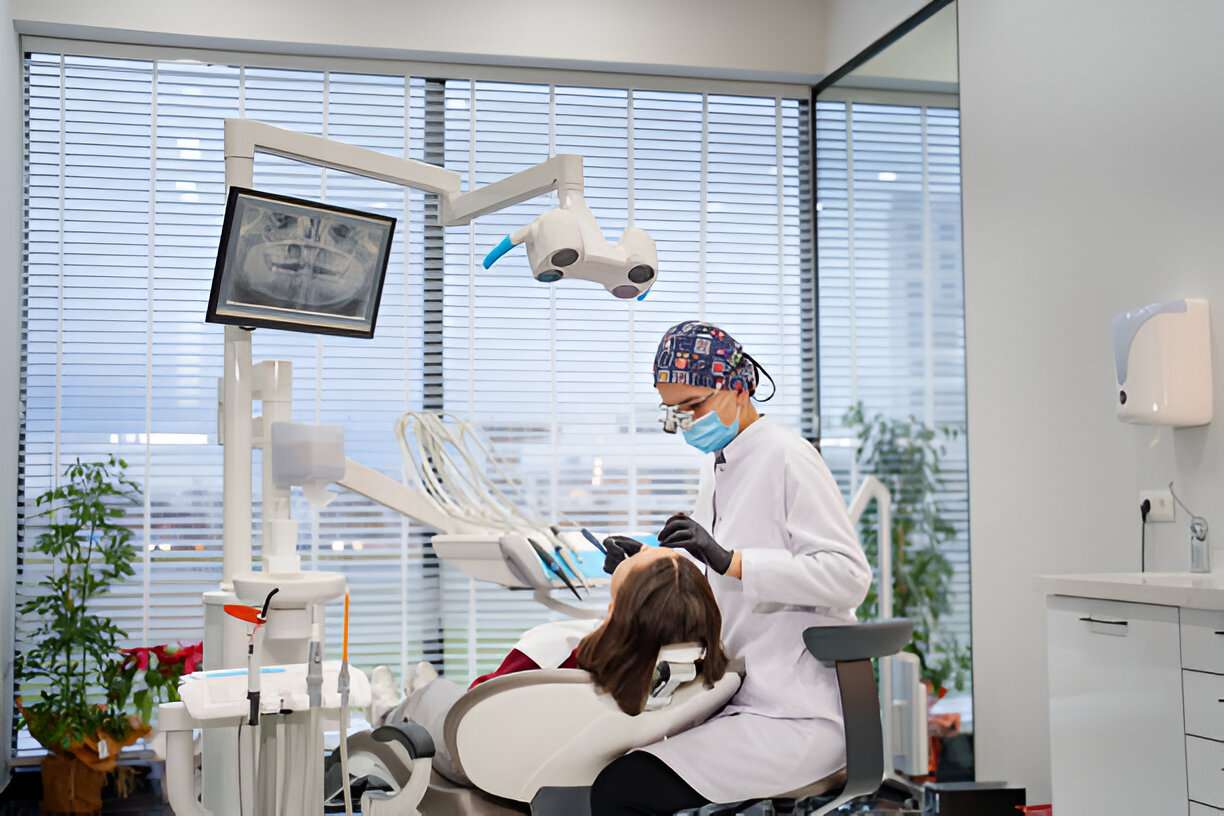
Every successful treatment begins with an accurate diagnosis. Upon arrival, our skilled team will thoroughly examine your oral health. This process often includes:

  • X-rays: These provide an in-depth look at your teeth, gums, and jawbone to identify potential underlying issues like cavities, infections, or impacted teeth.
  • Physical Examination: Our experienced dentist in Reidsville, NC, will inspect your teeth and gums for swelling, redness, or sensitivity.

This diagnostic process enables us to pinpoint the exact cause of your discomfort and recommend effective solutions.

  1. Personalized Treatment Plan

Once the cause of your toothache is identified, we craft a treatment plan customized to your specific needs. Possible treatment options include:

  • Fillings: For cavities causing sensitivity or pain, we restore the tooth using durable, tooth-colored materials.
  • Root Canals: If the tooth’s pulp is infected, this procedure eliminates the infection while preserving your natural tooth.
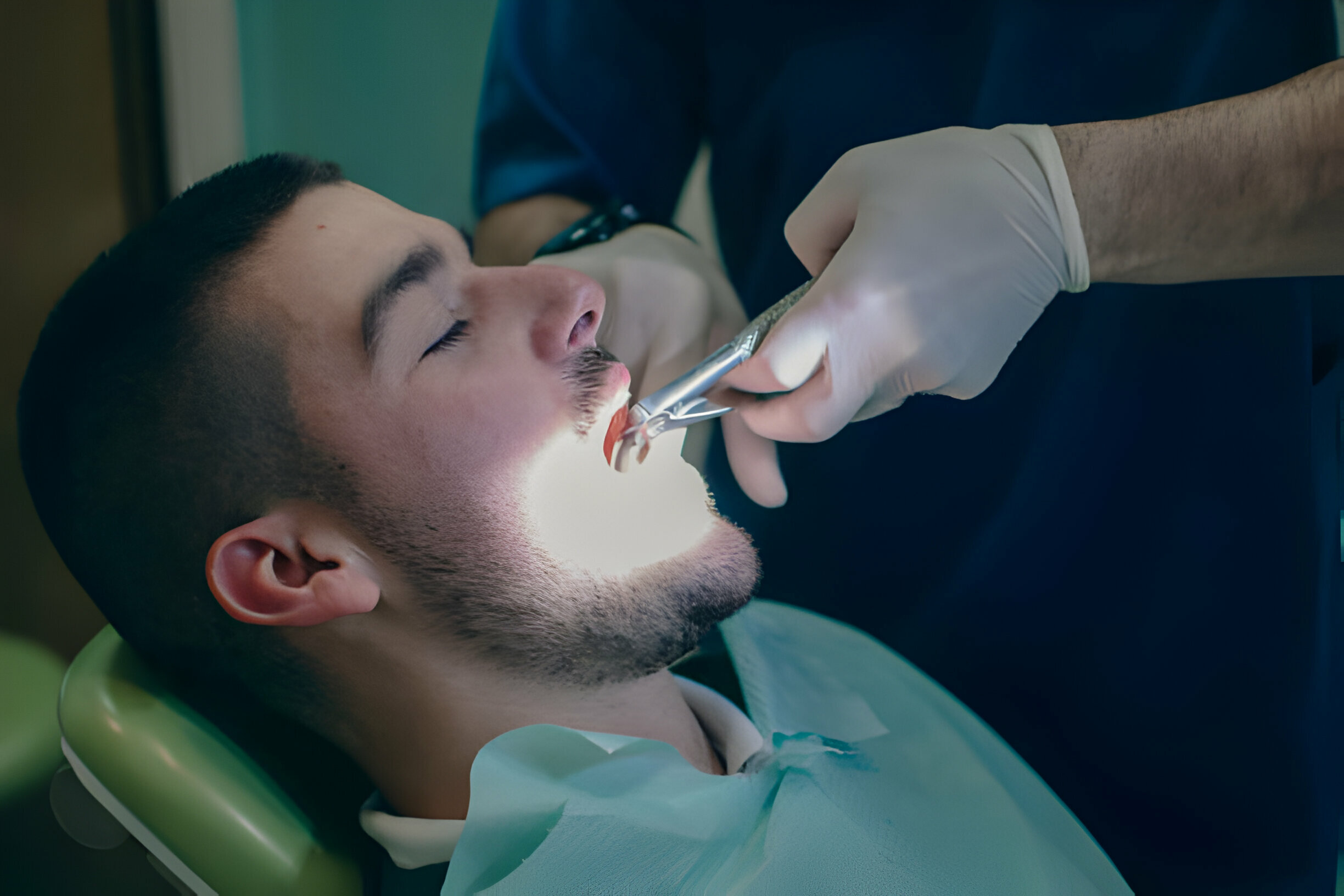
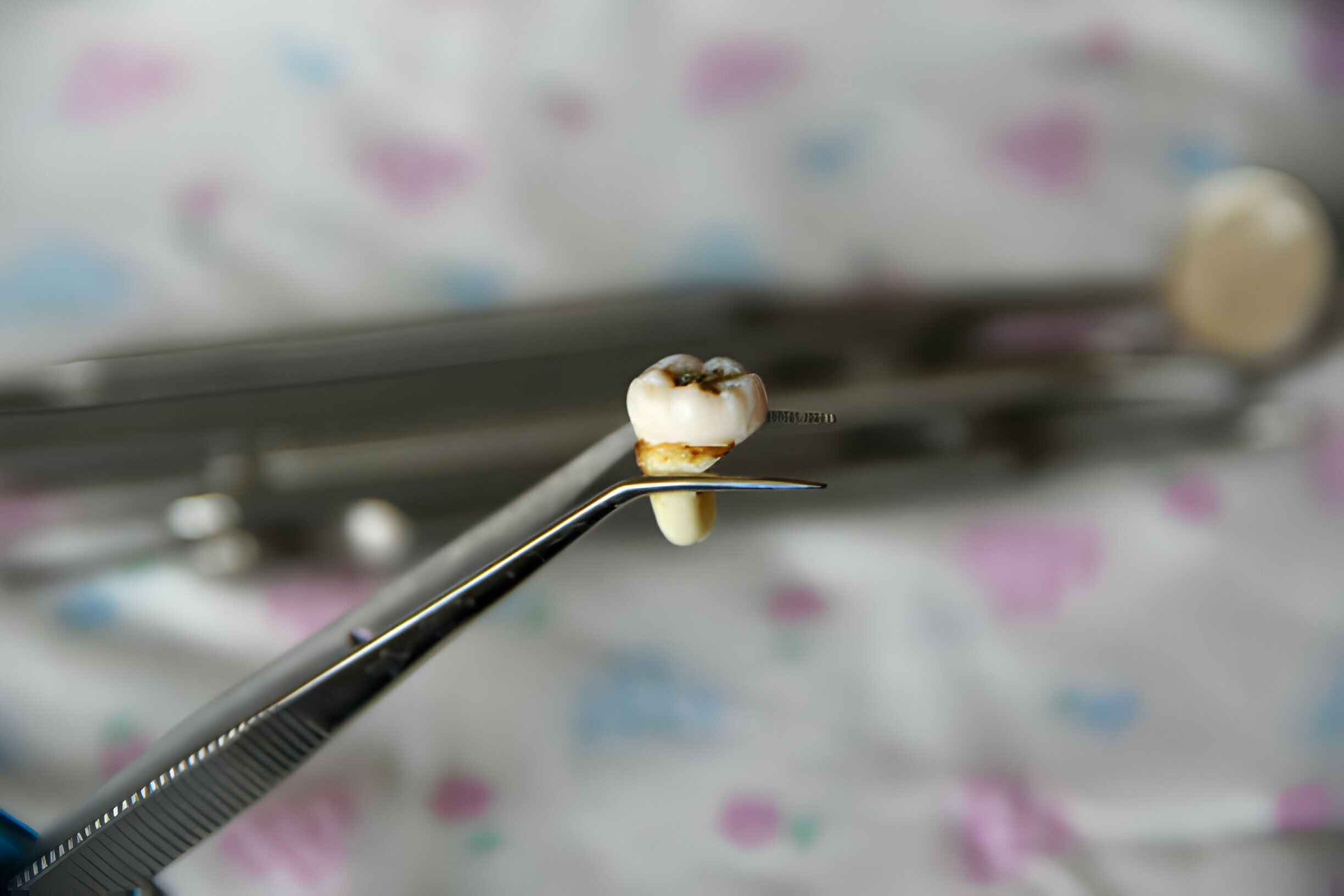
  • Extractions: In severe cases where the tooth is beyond saving, we perform extractions with minimal discomfort and discuss replacement options, such as dental implants.
  • Gum Treatment: If gum disease contributes to your pain, we offer treatments to reduce inflammation and promote healing.

We explain every step throughout the process to keep you informed and comfortable. Your well-being is always our top priority.

  1. Preventative Care Advice

At Caring Modern Dentistry, our goal extends beyond immediate pain relief. We equip you with tools and tips to maintain a healthy smile. During your visit, our team will provide practical advice, such as:

  • Proper brushing and flossing techniques
  • The importance of regular dental checkups and cleanings
  • Dietary recommendations to protect your enamel and prevent future decay

We aim to ensure your long-term oral health by combining expert care with proactive measures.

Preventing Future Toothaches

While professional care is essential, preventing toothaches starts with everyday habits. By taking proactive steps, you can reduce your risk of experiencing dental pain. Here’s how:

  1. Maintain Proper Oral Hygiene

Good oral hygiene is your first line of defense. Brush your teeth twice daily using fluoride toothpaste, which strengthens enamel and prevents decay. Flossing is equally critical, removing plaque and food particles that a toothbrush cannot reach.

  1. Visit Your Dentist Regularly

Routine checkups are essential for early detection of potential issues. Scheduling bi-annual visits with a dentist in Reidsville, NC, ensures minor problems are addressed before they become severe. These visits typically include professional cleanings and examinations to maintain optimal oral health.

  1. Eat a Balanced Diet

What you eat plays a significant role in your dental health. Limit your sugary and acidic food intake, as they contribute to enamel erosion and cavities. Instead, opt for calcium-rich foods, such as dairy products, leafy greens, and almonds, to support strong teeth.

  1. Use a Mouthguard

Whether you grind your teeth at night or participate in contact sports, a mouthguard is invaluable. Custom-fitted guards protect your teeth from damage, reducing the risk of pain or injury.

  1. Stay Hydrated

Drinking water keeps you hydrated and helps rinse away food particles and neutralize acids in your mouth. This simple habit supports saliva production, which is essential for maintaining a healthy oral environment.
How to Relieve a Toothache: Expert Tips from a Dentist in Reidsville, NC at Caring Modern Dentistry_3

Takeaways

The Ultimate Guide to Toothache Pain Relief

Summary

Sudden toothaches can affect even your basic functions like chewing.

Remedies for toothaches have been documented in ancient Egypt and Greece. Ancient Egyptians used honey and beeswax to relieve toothaches. Before you actually treat the symptoms, it’s best to know the causes of toothache.

All toothaches are bad, but not everyone needs an emergency appointment with the dentist. In this guide, we will help you identify the causes of pain, recommend some home remedies, and suggest the right time when you should visit a dentist. By reading further, you can also learn the treatments available and how to prevent frequent toothaches.

While our teeth’s main function is to chew food, many have tried experimenting with novel ways, like opening bottles with their teeth. You may succeed in opening a few bottle caps, but you risk permanently losing your tooth if you continue.

Chipped teeth and injured gums can be painful, and spotting the tooth that’s causing the pain may be more difficult.

When you have acute pain around your jaw or a couple of teeth, it could be due to an underlying problem. Some common causes of tooth trauma are:

  • Slip and fall accidents
  • Incidents in contact sport
  • Biting down on something hard

The Ultimate Guide to Toothache Pain Relief_1

Reasons Of Toothache

Did you know that stress can contribute to toothaches? Stress may cause people to grind their teeth, leading to jaw pain. Sometimes, a toothache can be in the form of a sharp or constant pain that can spread to the jaw, ear, or even your cheek. Some of the key reasons for toothaches are:

Cavities: A quarter of U.S. adults aged 20 to 64 have at least one untreated cavity. Cavities are formed when bacteria inside the mouth erode the enamel, the tooth’s hard outer layer. Cavities are only the starting point for minor tooth problems. When left untreated, they progress deeper into the tooth, reaching the dentin and pulp.

Gum disease: You can experience tooth pain due to gum inflammation or infection and the supporting structures of the teeth. Gum or periodontal disease is an infection surrounding tissues and supporting the teeth.

Tooth abscess: Tooth root or gums may see the formation of pus caused by bacterial infection. This pain can be unbearable and requires seeing a dentist earlier.

Tooth fracture: Consumption of extremely hot or cold food can cause tooth fractures or cracks. Although pain from a tooth fracture may not be constant, if it persists, medications must be used.

Plaque: Bacterial plaque buildup can cause pain that builds up over time.

Home Remedies for Toothache Pain Relief

Some toothaches may be less severe, but you can get respite with these trusted methods.

Applying a cold compress

A cold compress can help relieve gum inflammation. Simply hold an ice pack against the jawline closest to the pain area. If you don’t have an ice pack, you can hold a bag of ice inside a light towel pressed against the swelling area. Hold for about 15 minutes and repeat as needed.

Salt water gargle

Gargling with salt water can help keep a person’s mouth clean and may alleviate tooth pain. To do so, add some salt to 240 milliliters of warm water, gargle for a few seconds, and spit it out. Repeat a few times. Saltwater also helps clear the affected area and reduce inflammation.

Cloves

Ever wondered how a spice can help reduce toothache? Cloves are naturally anesthetic and also contain anti-inflammatory and antibacterial properties. Just chewing a couple of cloves can somewhat reduce acute pain.

Peppermint

Peppermint aids in numbing and is useful for soothing a toothache. Menthol is responsible for peppermint’s minty flavor and aroma, and it is known for its antibacterial properties. Add some dried peppermint leaves to a cup of boiling water and wait 20 minutes. Once cooled, swish the solution around your mouth and spit it.

Over-the-counter pain relievers 

If you want to relieve toothache pain temporarily, consider taking OTC painkillers, adhering to your medical history and allergies. Common options include Ibuprofen (Advil, Motrin), Acetaminophen (Tylenol), and Aspirin (for adults only).

The Ultimate Guide to Toothache Pain Relief_2

Three Signs You Should Visit a Dentist

Toothaches and other continued symptoms, such as fever, swelling, or trouble eating, require immediate attention and a visit to a trusted dentist in Reidsville, NC. If you experience any of the following for prolonged periods, your toothache may be a sign of something that needs immediate attention.

Visible Swelling 

Anything more than a simple face swelling may require further investigation. Swelling in the face or jaw with severe tooth pain makes chewing and swallowing food tough. If you notice the swelling for more than a few hours, it’s time to visit the dentist.

Foul Taste In The Mouth

Toothache and a periodic or constant taste in the mouth may indicate bleeding gum or a decayed tooth. The presence of pus from an infection causes a foul taste in the mouth. To understand the causes of toothache, dentists may perform diagnostics. 

Fever

Developing a high fever when having a toothache is a red flag indicating that an infection might be present and slowly increasing. This situation requires prompt dental evaluation to determine the source of the infection and to receive appropriate treatment, such as antibiotics or drainage, to prevent the infection from worsening.

Dental Treatments for Toothache

When you visit a dentist for complaints like toothache after eating, trouble while eating, or fever due to toothache, your dentist will ask you questions to evaluate your condition and suggest the next course of action. 

After diagnosis, your dentist may recommend one or more of these treatments:

1. Antibiotics

If an infection causes your toothache, your dentist may prescribe antibiotics to clear the infection. This is often combined with other treatments, such as a root canal or extraction.

2. Cavity Fillings

A severe toothache may require a cavity filling. This involves removing the decayed portion of the tooth and filling it with dental material; you can experience relief after a few days.

3. Root Canal

When your pulp, the innermost part of the tooth, is infected or damaged, it needs cleaning with a root canal procedure. It involves removing the infected pulp, cleaning the inside of the tooth, and sealing it with a specialized material called gutta-percha to stop any more infections.

4. Tooth Extraction

An extraction is only suggested in severe cases where the tooth cannot be saved. This involves removing and replacing the tooth with an artificial one if necessary.

The Ultimate Guide to Toothache Pain Relief_3

Tips For Preventing Toothache

Preventing toothache is easier than treating it. Follow these tips for the best oral hygiene and avoid toothaches:

  • Thoroughly brush teeth after meals
  • Floss daily to keep plaque and food particles away from the teeth
  • Avoid sugary foods and drinks that can lead to cavities
  • Wear a mouthguard if you grind your teeth at night or play contact sports

Takeaway

  • Not all toothaches require a visit to the dentist; try home remedies for temporary relief
  • Prolonged pain with other symptoms is a sign of dental emergencies
  • Maintain regular oral hygiene by brushing, flossing, and visiting your dentist regularly to prevent toothaches

From Pain to Relief: How to Manage Toothaches with Ease

Summary

Do you often suffer from severe pain in your cavity?

If yes, you might have a serious condition – visit a dentist today for a timely diagnosis! 

When toothache is recurring, sharp, constant, or dull, it can become a major annoyance. Sadly, you might have to bear the discomfort if you cannot schedule an appointment with your dentist immediately. 

Interestingly, this is where handy pain relief procedures come into the picture. When done accurately, these remedies can help subside the pain until you visit your dentist.

From Pain to Relief: How to Manage Toothaches with Ease_1

Let’s learn more about these procedures and remedies in the following sections via topics like:

  • What Causes Tooth Pain?
  • How to Relieve Excruciating Tooth Pain?
  • Home Remedies for Toothache – What to Do?
  • Can You Prevent A Toothache? 
  • Lifestyle Tips to Get Relief from Tooth Ache

Continue reading as we learn more about managing toothache in the following sections. 

What Causes Tooth Pain?

Various severe conditions, including a fractured tooth, dental decay, infected gums, a broken filling, or an abscessed tooth, can cause oral discomfort. 

Interestingly, however, most individuals doubt the severity of such conditions and ask themselves, “Are toothaches normal?”

The answer is yes. When left untreated, it can result in serious consequences, such as tooth and bone loss. 

Typically, a tooth’s enamel surface weakens, enabling pathogenic organisms to enter. As white blood cells try to battle the infection, they break down and die, accumulating pus, yet the body continues to send blood.

As the pressure within the blood artery rises, the vessel must expand to accommodate this pressure, putting enormous strain on the nerve inside your tooth.

Here are a few instances of what happens during such moments:

  • Severed, broken, or chipped tooth
  • Swollen, red gums
  • Swollen face or jaw
  • A swollen, red bump in the mouth
  • Throbbing pain
  • A fever
  • Blood or pus
  • Unpleasant or salty taste in the mouth

Bacterial infections can sometimes spread to other areas, requiring hospitalization or worse. If you experience the following symptoms of an abscessed tooth, it is critical to seek emergency care. 

How to Relieve Excruciating Tooth Pain?

No matter the source of your tooth discomfort, you should visit your dentist for an assessment as soon as possible! 

However, if you feel a cavity or a slight fracture causes your dental discomfort, you can try the following measures to alleviate the pain until you can visit a specialist.

However, suppose you need a temporary toothache remedy (assuming your underlying condition doesn’t cause you severe pain or you’re waiting for a dentist appointment). In that case, you can follow a few home remedies. 

Home remedies help you cure your toothache using over-the-counter drugs, cold compresses, and other at-home remedies. 

Continue reading for more home cures for tooth pain in the following section. 

From Pain to Relief: How to Manage Toothaches with Ease_2

Home Remedies for Toothache – What to Do?

1. Apply a cold compress:

In general, there are two techniques to relieve toothache discomfort. 

The first involves lowering inflammation, while the second focuses on blocking the signals about brain damage. The aim of this technique is to place a cold pack on your face for 20 minutes and subside pain. 

However, while at it, use a cloth as a buffer to avoid accidentally damaging your skin. It can assist in relieving discomfort by lowering pain and swelling.

But if the condition worsens, consider contacting your nearest expert for toothaches in Reidsville, NC.

2. Take an anti-inflammatory medicine:

Anti-inflammatory medications such as ibuprofen can also help to decrease swelling and block pain signals. If you use ibuprofen, take it every few hours as directed on the product label. 

Avoid taking the drug once and then quitting when you experience relief, as the pain and inflammation will most likely return. If you don’t have ibuprofen, you can take acetaminophen, which will relieve pain but is not an anti-inflammatory.

3. Rinse with salt water:

In addition to cold packs and over-the-counter medication, there are other natural alternatives to relieve toothache. Rinsing your mouth with warm salt water might help remove infections and relieve pain. 

Salt water treatment for a toothache can also aid in healing dental lesions and inflammation. Just ensure you don’t drink any salt water when rinsing.

4. Use a hot pack:

Applying a hot pack to the side of your jaw might help relieve soreness. If you don’t already have a heat pack, make one by filling a clean sock with rice and tying one end. 

Following this, microwave the rice-filled sock for a few minutes. The heat from the pack will help block pain signals from your mouth to your brain.

5. Try acupressure:

Research suggests that acupressure may alleviate toothache pain by stimulating the release of endorphins. 

Specific areas of the body are thought to be connected with mouth pain. Before attempting acupressure, explore credible internet resources for further information.

Lifestyle Tips to Get Relief from Tooth Ache

  • Avoid sugary and acidic foods/drinks: Sugary food items, such as juices, candy, and sodas, increase tooth decay while also irritating an already sensitive or sore tooth. Acids in meals can damage enamel and cause dental discomfort. It is advised to avoid these things until the tooth discomfort has subsided.
  • Quit smoking/using tobacco products: Tobacco usage is a significant risk factor for dental issues such as gum disease and tooth discoloration. Tobacco chemicals can impede healing and reduce the body’s capacity to fight infection in the mouth. Quitting smoking and other tobacco products can improve general oral health and aid in the healing of tooth discomfort.
  • Eat a healthy diet: It’s critical to comprehend how diet and dental health are related. A nutritious, well-balanced diet can help reduce tooth pain and improve general dental health. Incorporate foods high in vitamins and minerals necessary for healthy teeth and gums, such as vitamins C, D, calcium, and phosphorus. A healthy diet decreases inflammation and aids recovery.
  • Maintain good oral hygiene habits: Plaque and food particles that could aggravate a hurting tooth can be removed by cleaning your teeth twice daily using fluoride toothpaste and a soft toothbrush. Daily flossing helps to release trapped food particles in between teeth. Maintaining good dental hygiene is essential to preventing more issues.

From Pain to Relief: How to Manage Toothaches with Ease_3

Can You Prevent A Toothache? 

Good dental hygiene can help avoid toothaches. Floss at least once a day, and clean your teeth for at least 2 minutes twice a day. You may also use mouthwash.

Also, see your dentist twice a year for regular examinations and cleanings.

Some meals can induce plaque accumulation, including:

  • Citrus
  • Carbonated drinks
  • Bread
  • Alcohol
  • Sour candies
  • Ice
  • Potato chips
  • Dried fruits

Floss and brush thoroughly after eating these items to help reduce plaque accumulation, or try restricting your intake.

Takeaway

  • Various serious conditions, including a fractured tooth, dental decay, infected gums, a broken filling, or an abscessed tooth, can cause oral discomfort. 
  • Incorporate foods high in vitamins and minerals necessary for healthy teeth and gums, such as vitamin C, vitamin D, calcium, and phosphorus. 
  • Applying a hot pack to the side of your jaw might help relieve soreness.
  • Managing toothaches can be challenging. Don’t let the pain make you uncomfortable; visit our experts at Caring Modern Dentistry today! 

How Long Can I Delay Treatment For A Toothache?

Dealing with a toothache can be incredibly uncomfortable and distressing. It’s only natural to wonder how long you can delay seeking treatment for the pain. 

However, it’s essential to understand that toothaches often indicate an underlying dental issue that requires attention. If left untreated, your normal toothache might become severe or even a severe oral problem. 

But how long does tooth pain last? More importantly, how long can you delay treatment for a toothache? 

Let’s find out as we understand more about toothache in this blog. Continue reading as we explore the duration of toothaches, the potential consequences of delaying treatment, and why ignoring tooth pain is not a recommended course of action.

How Long Does Toothache Last?

The duration of a persistent toothache can vary depending on the cause and severity of the underlying issue. While providing an exact timeline for every case is complicated, toothaches generally last several days to a few weeks. 

It’s crucial to note that if the pain persists beyond two weeks or becomes increasingly severe, it is essential to seek professional dental care promptly.

If a cavity hurts, is it too late?

If a cavity is causing pain, it typically means that the decay has progressed and reached a more advanced stage. While it may not be too late to save the tooth, it indicates that the decay has reached a point where it affects the nerves or the pulp inside the tooth. 

Understanding The Common Causes Of Toothaches

Having toothaches for days can stem from various dental problems, including cavities, dental abscesses, gum disease, cracked teeth, or exposed tooth roots. 

Each condition requires specific treatment, and the longer they are left unaddressed, the more severe the consequences can be.

The Consequences Of Delayed Oral Treatment

Worsening Pain: 

If you are wondering how to ignore tooth pain, stop immediately! Ignoring tooth pain or delaying treatment can lead to the worsening of your symptoms. What may initially be a mild toothache can develop into an excruciating pain that affects your daily life and disrupts your sleep.

Progression Of Dental Issues: 

Dental problems like cavities or gum disease do not resolve independently. They tend to progress and worsen over time. Delaying treatment allows these conditions to advance, potentially leading to more extensive damage to the tooth and surrounding structures.

Increased Risk Of Infection: 

Toothaches often occur due to bacterial infection within the tooth or gums. Ignoring the pain or delaying treatment increases the risk of spreading the infection, potentially leading to more severe complications like dental abscesses or systemic infections.

Tooth Loss: 

Neglecting treatment puts you at a higher risk of tooth loss. Untreated dental issues can cause irreversible damage to the tooth structure, resulting in the need for extraction. Losing a tooth can significantly impact oral health, aesthetics, and overall quality of life.

Why Ignoring Persistent Tooth Pain Is Not Recommended?

For several reasons, ignoring persistent tooth pain is not a wise action! Listed below are some reasons why you should consult your nearest oral health expert:

  1. Early intervention is key: Early detection and treatment of dental problems are essential for successful outcomes. Promptly addressing the underlying issue can prevent further damage and potentially avoid more invasive and costly treatments.
  2. Pain is a warning sign: Tooth pain is your body’s signaling that something is wrong. It serves as a warning sign that should not be ignored. By seeking timely dental care, you can identify and address the root cause of the pain, providing relief and preventing potential complications.
  3. Professional expertise is necessary: Dentists in Reidsville, NC, are trained professionals who can accurately diagnose the source of your toothache and provide appropriate treatment. Relying on home remedies or ignoring the pain may provide temporary relief but won’t resolve the underlying issue.
  4. Protecting your overall health: Oral health is closely linked to overall health. Ignoring tooth pain can lead to systemic infections, affect your eating ability, and impact your overall well-being. Seeking timely dental treatment ensures your oral and general health maintenance.

If you experience persistent tooth pain for over a few days, scheduling an appointment with your toothache dentist is crucial. They will conduct a comprehensive examination, evaluate the source of the pain, and recommend the appropriate course of treatment. Professional dental care is essential for resolving the underlying issue, alleviating pain, and preserving oral health.

Takeaway Tips To Prevent Toothaches

Prevention is always better than cure when it comes to dental issues. To reduce the risk of toothaches and the need for urgent dental treatment, follow these preventive measures:

  • Maintain good oral hygiene: Brush your teeth at least twice daily, floss daily, and use mouthwash to remove plaque and prevent cavities.
  • Visit your dentist regularly: Regular dental check-ups and cleanings allow your dentist to detect and address potential dental problems early on.

Conclusion

While the duration of a toothache can vary, it is not advisable to ignore the pain or delay seeking dental treatment. Toothaches are often indicative of underlying dental problems that require professional intervention. 

Promptly addressing the issue can alleviate the pain, prevent further damage, and preserve oral health. Remember, your dentist is the best person to diagnose and treat the underlying cause of your toothache, so don’t hesitate to schedule an appointment if you’re experiencing persistent tooth pain.

Don’t Neglect Toothache

When left untreated, a toothache can turn severe, giving you many sleepless nights. Don’t let your normal toothache become a grave issue; visit our experts at Caring Modern Dentistry to eliminate any oral pain and improve your oral health. Book an appointment at Caring Modern Dentistry today! 

Is A Toothache Preventing You From Eating Properly?

Toothache-induced mouth pain is among the worst physical discomforts you may experience. In addition to being unpleasant, a sore mouth and toothache impair your ability to eat, and speak and add to difficulties in breathing. 

A patient’s overall health may suffer ( including starvation and frailty) if they have tooth pain while drinking or eating. So when it comes to the possible solutions, the Reidsville dentist suggests that treating the sick tooth or numbing the ache are the only options.

So while toothache issues should never be ignored, you must know the cure behind such an experience. 

Read on to discover the numerous causes of toothaches that occur while eating and solutions.

What Causes A Toothache?

It is challenging to pinpoint the exact reasons for frequent toothaches. Wisdom teeth can occasionally cause problems while emerging, as toothache dentist refers to it, so this could occasionally cause a toothache. 

Drinking or eating extremely cold or hot things can also frequently cause a toothache that disappears over time. The slow growth of dental caries might also lead to occasional toothaches.

If the root of the issue is oral, like dental decay, this may indicate that the issue is still in its inception. Proper dental hygiene is often convenient to stop dental decay in its beginning phases. Besides, you always have the option of avoiding tooth decay with proper flossing and brushing techniques.

What To Do If You Have Tooth Pain?

There are numerous causes of toothaches. It can happen even under regular consultation with your Reidsville dentist. Do not be afraid if you are experiencing a toothache and haven’t seen a dentist yet. Get dental care as soon as possible if you are in discomfort. 

Never be afraid to tell your toothache dentist if it has been a while since you last received dental care. There must be no casting criticism in your dentistry clinic. Not really what you have done or did not perform in the past, but how you begin to obtain dental care right now is just what matters.

What Foods To Eat When You Have A Toothache?

Consuming rough and greasy meals must be avoided if you are experiencing a toothache when eating. Instead, take a gentle meal diet until the irritated tissues are properly healed. It is advised to follow a gentle diet.

To avoid placing too much stress on the injured tissues when eating, choose cereals, oatmeal, soup, boiling vegetables, and crushed fruits. These are some of the soft foods to eat with tooth pain. This will hasten the recovery process to reduce suffering and pain.

Whenever a toothache flares up, dairy products can also help you. Your teeth won’t even be aware that yogurt and cheese are in your mouth.

Can Food Particles Stick In Teeth Cause An Infection?

Gum disease and tooth decay are the two problems resulting from food lodged among teeth. In addition, due to the difficulty of cleaning meals’ effects on teeth, the bits of food gradually deteriorate in the dental cavity and develop a thin film called “oral plaque” that covers the teeth. 

Eventually, this plaque develops into dental calculus as it solidifies. Plaque and calculus can offer a favorable habitat for bacterial spores to multiply and produce poisons that destroy periodontal tissues and the gums. Food getting stuck between teeth thus starts a series of actions that eventually result in chronic periodontitis.

Can You Have Toothache If You Are Suffering From Anxiety?

Absolutely. Anxiety-related toothaches are comparable to stress-related toothaches. Many worried people tend to their teeth, often without even realizing it. Additionally, anxiety may make you ignore your teeth, which is a surefire way to get cavities. 

In some situations, overthinking can lead to physical discomfort. For instance, a dental examination can help determine whether anxiety is contributing to issues such as teeth grinding.

Toothaches brought on by anxiety can be lessened or eliminated by treating anxiety with prescribed medical procedures, such as soothing techniques, psychotherapy, or prescriptions.

The Bottom Line

The impact of a toothache on one’s routine and life satisfaction can be enormous. The best part is that most toothaches can be completely circumvented with excellent oral hygiene practices and routine dentist appointments. 

Don’t Let Toothache Take Over Your Overall Health

When left untreated, a toothache can lead to severe health conditions. Don’t let such incidents affect you. Instead, connect with our premier toothache dentists at Caring Modern Dentistry to understand the treatment plan, process, and other related concerns. Visit our clinic or call us at (336) 342-0889.